
Whoa! I didn’t expect to get this attached to a browser extension. Seriously? Yep. At first it was just curiosity — a quick install to check out an NFT drop on Solana — but things snowballed. My instinct said this was cleaner than other wallets I’d used, and something felt off about how intuitive that felt, in a good way. Initially I thought it would be another clunky add-on, but then I started sending tokens, approving transactions, and browsing NFT collections without the usual friction.
Short version: Phantom nails the basics. It stays out of your way when you don’t need it. And when you do, it gives you useful detail without being a cryptic mess. Okay, so check this out—there are a few moments where the UI surprises you with smart defaults and subtle safety checks. On one hand it’s minimalist, though actually under the hood it handles key management and hardware wallet support in a way that feels very robust. I’m biased, but that balance between simplicity and power is rare.
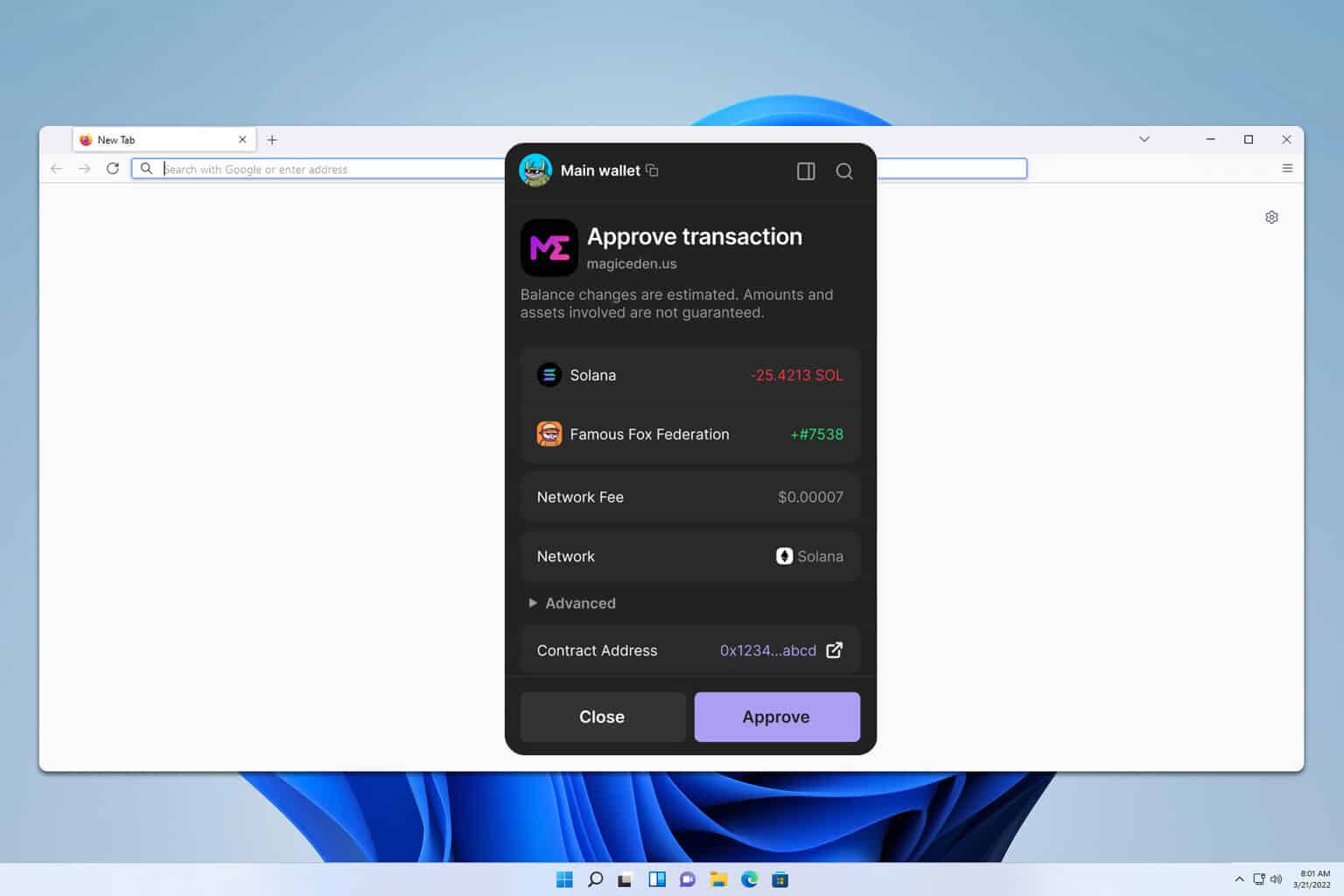
I use Chrome and Brave mostly. Phantom pops up when a dApp requests a signature and the approval flow feels solid. Hmm… I fumbled the first signature because I misread the amount, so lesson learned: read prompts. My honest take is that Phantom is great for NFTs on Solana, especially for browsing marketplaces where speed matters. Sometimes things are fast very very fast — transactions often confirm in a few seconds — which feels almost magical compared to some other chains.
A practical rundown: what works, what bugs me
Here’s what bugs me about most wallets — they’re either too techy or too dumbed down. Phantom mostly avoids both mistakes. It manages accounts and tokens in a straightforward list. You can toggle tokens, hide small balances, and pin favorite NFTs. The NFT viewer is nice; thumbnails render quickly and you can inspect metadata without jumping through hoops. My first impression was “clean”, and that stuck after deeper use. Actually, wait—let me rephrase that: the interface is clean, but there are moments when metadata fails to load from less reliable hosts, which is a reminder that on-chain clarity still depends on off-chain services.
Security-wise, Phantom keeps keys locally encrypted, and you can connect a Ledger for hardware-backed security. On one hand connecting Ledger felt a little involved, though on the other hand that extra step is worth it if you’re holding high-value assets. Something felt off the first time I tried the Ledger flow — it required a specific firmware and some fiddly prompts — but after troubleshooting it worked fine. My working-through-it advice: set aside ten minutes the first time, then relax.
Support for custom tokens and SPL standards is solid. If you get an airdrop or some obscure token, Phantom usually detects it. That said, the token list can become noisy if you accept everything without cleaning up. I admit I’m not 100% consistent about pruning tokens; somethin’ always lingers. Also, there are occasional UI glitches on mobile that make me sigh, but the extension itself is stable.
Oh, and transaction histories are readable. You can expand items and see memos and fees. Fees are tiny on Solana, which is a huge quality-of-life win for NFT traders and collectors. The small cost encourages experimentation in ways that make web3 feel more accessible than the old gas-obsessed days.
How I actually use Phantom day-to-day
First thing: I keep one primary account for daily browsing and a separate account for larger holdings. This split reduces anxiety — yes, I’m that person. When minting NFTs I use the secondary account to avoid risking my main stash. On some drops you need quick approvals; Phantom’s transaction popup is snappy so you don’t miss windows. There’s a rhythm: discover on a marketplace, connect wallet, approve, then watch the mint queue. It sounds simple because it is simple, most of the time.
For collectors, the in-extension NFT gallery is super helpful. You can sort, filter, and export lists (well, export to clipboard), which is useful when tracking collections across the market. I started tracking a small Solana artist’s drops and that little workflow saved me from losing out. I’m not saying it’s perfect — metadata sometimes lags — but it’s useful. Also: the integrated swap feature is handy for quick token trades without leaving the extension, though I prefer using a dedicated DEX if I’m doing larger swaps.
One of my working-through-it moments involved connecting multiple dApps at once. Initially I thought Phantom would get confused, but it manages permissions per site. On the other hand, granting too many permissions is a real risk. My gut told me to tighten approvals, so I regularly audit connected sites. Pro tip: disconnect dApps you don’t use often. You’ll thank me later.
Installation and setup — a quick walk-through
Installing is low friction. You add the extension, create a new wallet or restore from a seed phrase, and you’re off. Wow! That part is pleasantly straightforward. But please, write down your seed phrase and keep it offline. I’m not scaring you; I’m just being practical. If you lose that phrase, recovery is not happening. Also: never paste your phrase into web forms. Ever. Seriously?
If you’d like to try it, here’s a straightforward place to start: phantom wallet download extension. Use official sources when possible and double-check the extension ID in the store; fake clones exist and some are surprisingly convincing. On that note, I once saw a phishing attempt that almost mimicked a launch page — felt like deja vu from early crypto days — so keep your guard up.
Common questions I get asked
Is Phantom safe for NFTs and tokens?
Mostly yes. Private keys are encrypted locally and Ledger adds hardware-level security. That said, safety also depends on your habits — be careful with sites you approve and keep your seed offline. On the balance, for everyday Solana use it’s a sensible and user-friendly choice.
Can I use Phantom on mobile?
Yes, there’s a mobile app and a wallet adapter flow for in-browser dApps, though the experience differs slightly from desktop. I prefer the extension for heavy use, but the mobile app is handy for quick checks and smaller trades.
How does Phantom compare to MetaMask?
MetaMask is Ethereum-first and supports EVM chains, while Phantom is Solana-focused with SPL token and NFT tooling built-in. If your world is Solana, Phantom feels more tailored; if you bridge chains a lot, you’ll likely use both.
Okay — to wrap up (but not in the boring way everyone’s used to), Phantom is a practical, polished tool for navigating Solana. My feelings shifted from skepticism to genuine appreciation as I used it more. On reflection, I still have small gripes — Ledger setup friction, occasional metadata flakiness — though those are edge issues rather than dealbreakers. If you’re dipping your toes into Solana NFTs or building a tidy wallet setup, give Phantom a shot. You might find, like I did, that it quietly becomes part of your daily web3 routine… and that’s a nice kind of subtle win.
Leave a Reply